Comércio Square
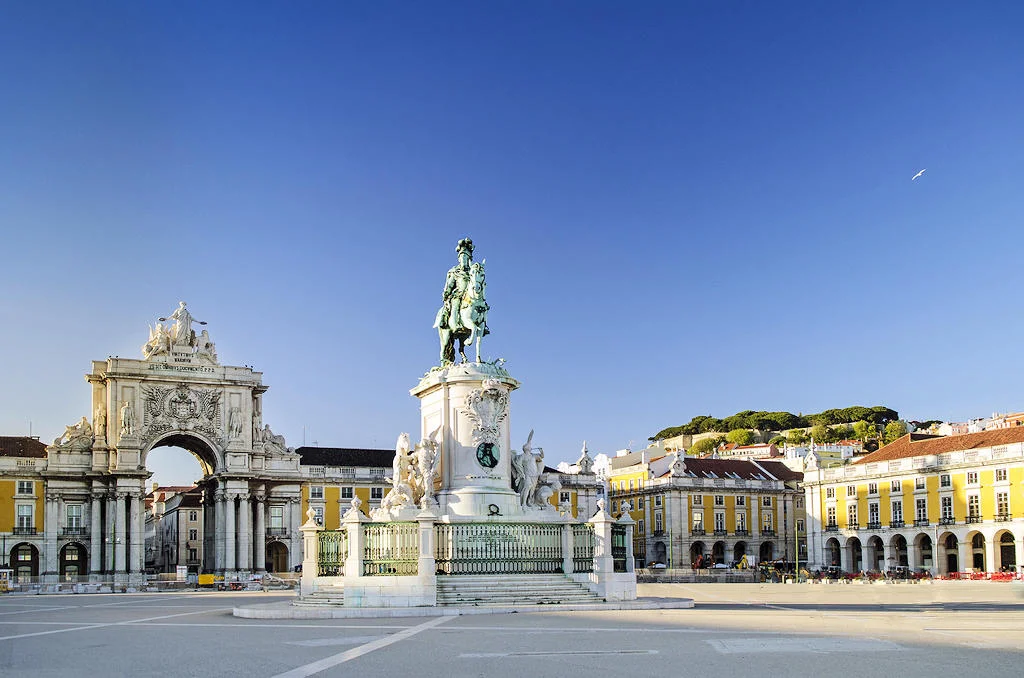
Brace yourselves for a journey into the heart of our beloved Lisbon, where a hidden treasure, the enchanting Praça do Comércio, awaits your discovery. It's like a well-guarded secret, drawing curious souls with its bewitching history, resplendent architecture, and an atmosphere that weaves tales of ages long past. Tucked away from the hustle and bustle of city life, this square is a serene sanctuary, urging you to dive deep into the rich cultural tapestry of our vibrant city. And speaking of stories, well, I have a knack for spinning them, sharing the vibrant narratives that paint the canvas of our beloved Lisbon. So, care to join me on this enchanting quest? Vamos nessa!
Praça do Comércio holds immense historical significance as the former gateway to Lisbon. Previously known as Terreiro do Paço, it served as the main entrance to the city during the era of Portuguese exploration and trade. The square witnessed pivotal moments in history, from royal ceremonies and public gatherings to political events that shaped the nation.
The architectural beauty of Praça do Comércio is truly awe-inspiring. Flanked by elegant Neoclassical buildings adorned with intricate details, the square exudes a regal charm that transports visitors to a bygone era. The famous Arco da Rua Augusta, a magnificent triumphal arch, stands proudly at the entrance, welcoming visitors with its grandeur.
Situated along the Tagus River, Praça do Comércio boasts a vibrant waterfront ambiance. The expansive square provides breathtaking views of the river, inviting visitors to stroll along the promenade, feel the gentle breeze, and soak in the picturesque surroundings. From here, you can admire the magnificent 25 de Abril Bridge and observe the comings and goings of boats as they sail along the river.
Praça do Comércio is not just a visually stunning square but also a hub of cultural delights. The square houses various important buildings, including the historical Ribeira Palace, which was tragically destroyed by the 1755 earthquake. The rebuilt structures now house government offices and cultural institutions, adding to the square's significance.